






Case 08 · Venture / Pre-IPO investing · USA
Axevil Pre-IPO
A mobile service for investing in late-stage private companies and pre-IPO rounds: a dark system, company cards and live deal progress inside the portfolio.
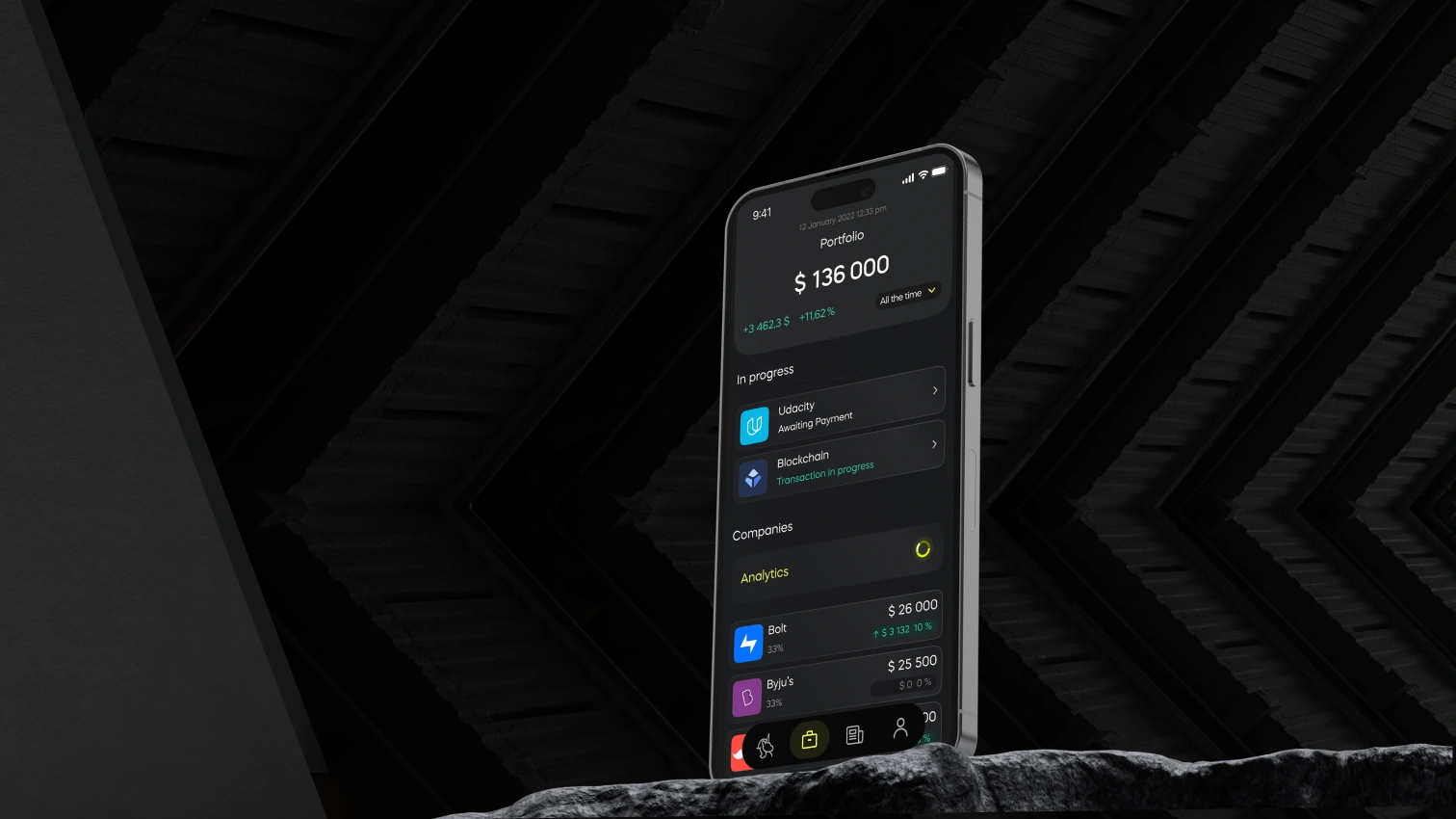
The app hero: the portfolio and the deal statuses, a phone on black lunar ground.
Axevil Capital is a US venture investment group focused on late-stage technology companies and Pre-IPO.
Goals and principles
Context. The fund is registered in the United States. Its management company holds an ERA license and is regulated by the SEC. Axevil opens access to leading technology companies before their IPO, to deals that used to be open only to the largest funds.
Brief. The mobile app opens a door to a new type of investment. Clients get detailed reports on the companies they put money into, take part in closed deals, read news and research, and watch both their own deals and the whole Axevil portfolio.
Principle. Data is the main character. A black system with a lime signal shows the stages, the rounds and the progress of a deal, so an investor decides from the picture in front of them.
- The investor app: portfolio, company cards, deal statuses and research.
- A CRM and a content builder for running the whole business.
- Document generation and e-signature services inside the deal cycle.
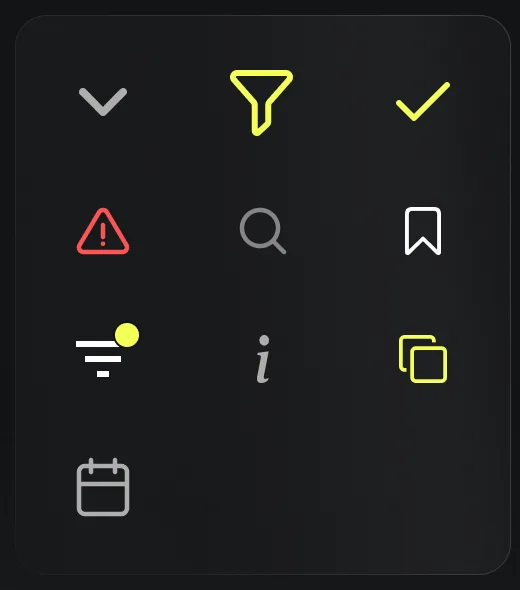
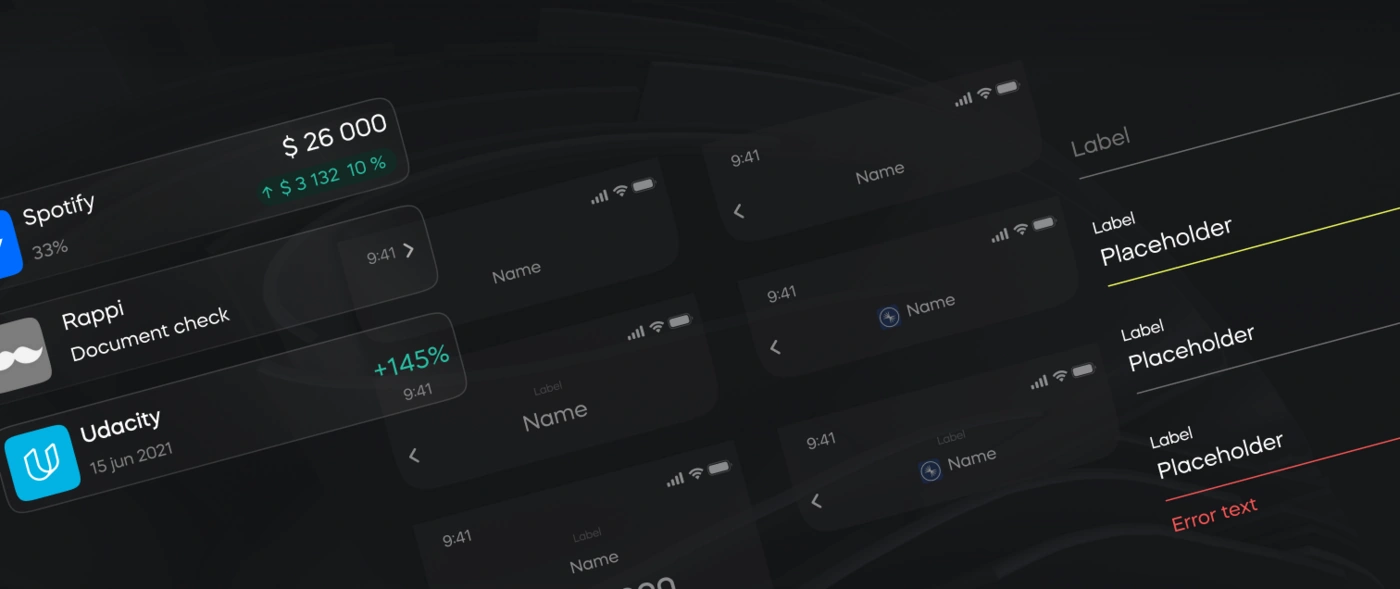
- Design system: palette, icons, states. Dark, with a lime accent.
Interface up close
Black phones with color covers on the deals. The company media card leads an investor to the details: the valuation, the application deadline and the “Invest” button.
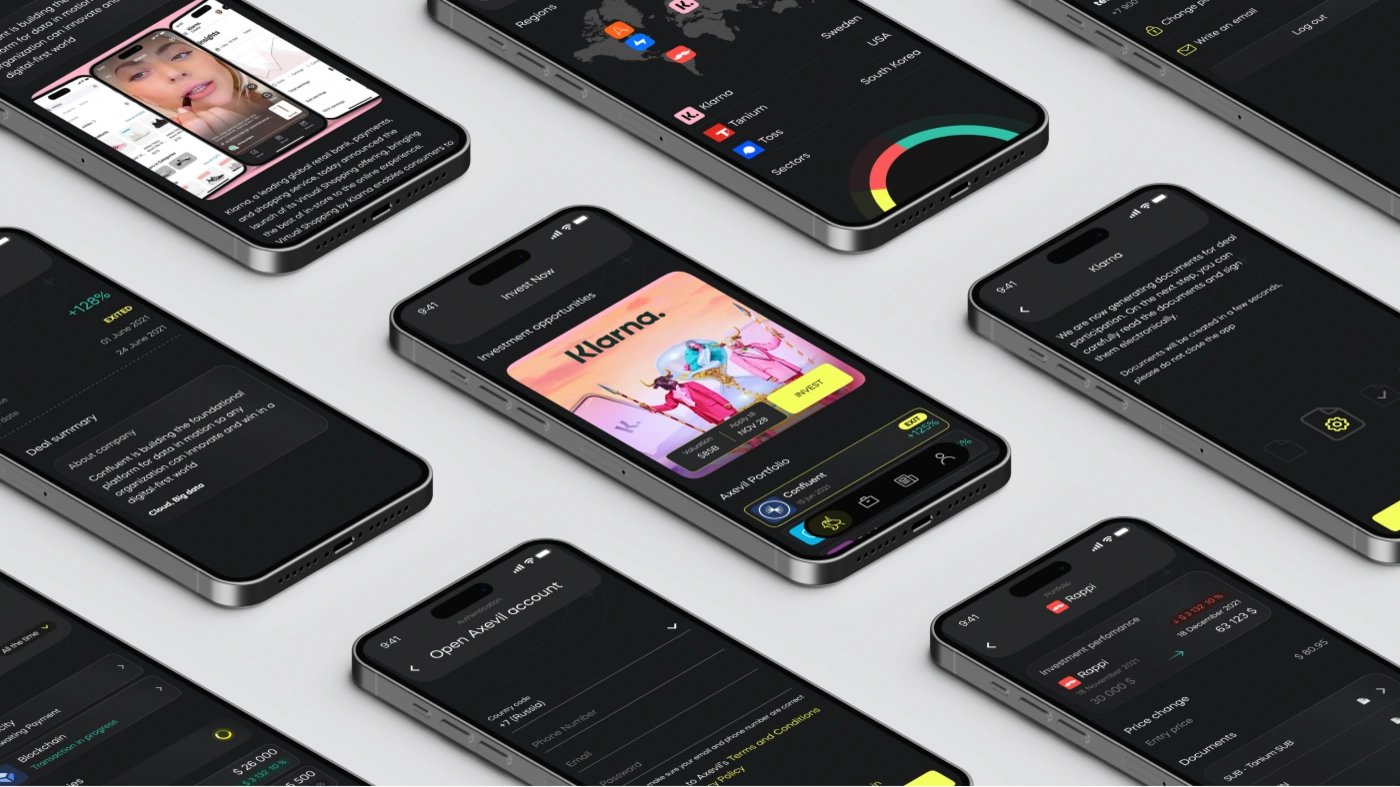
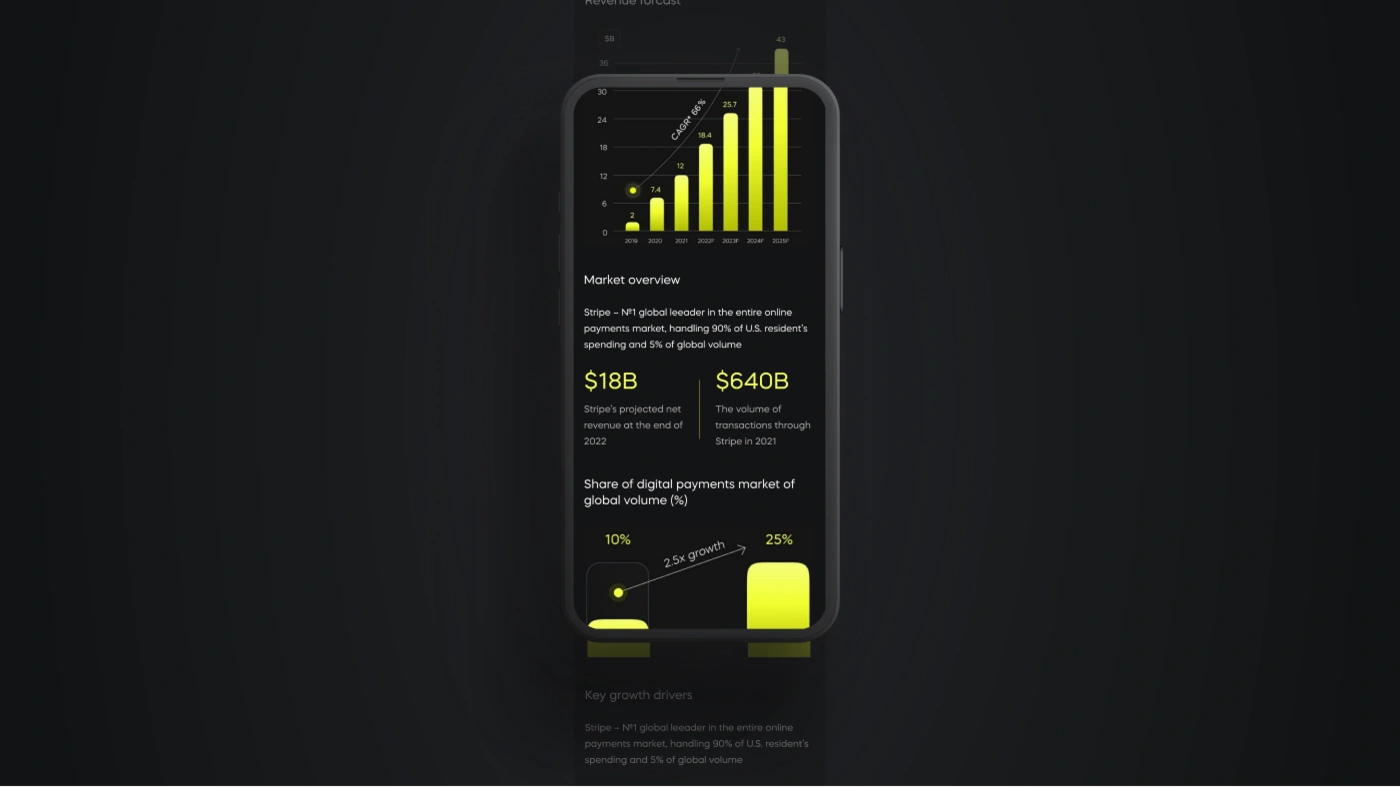
Deals are one part of the app. Every company also comes with a market breakdown, so the investor decides in context.
Platform
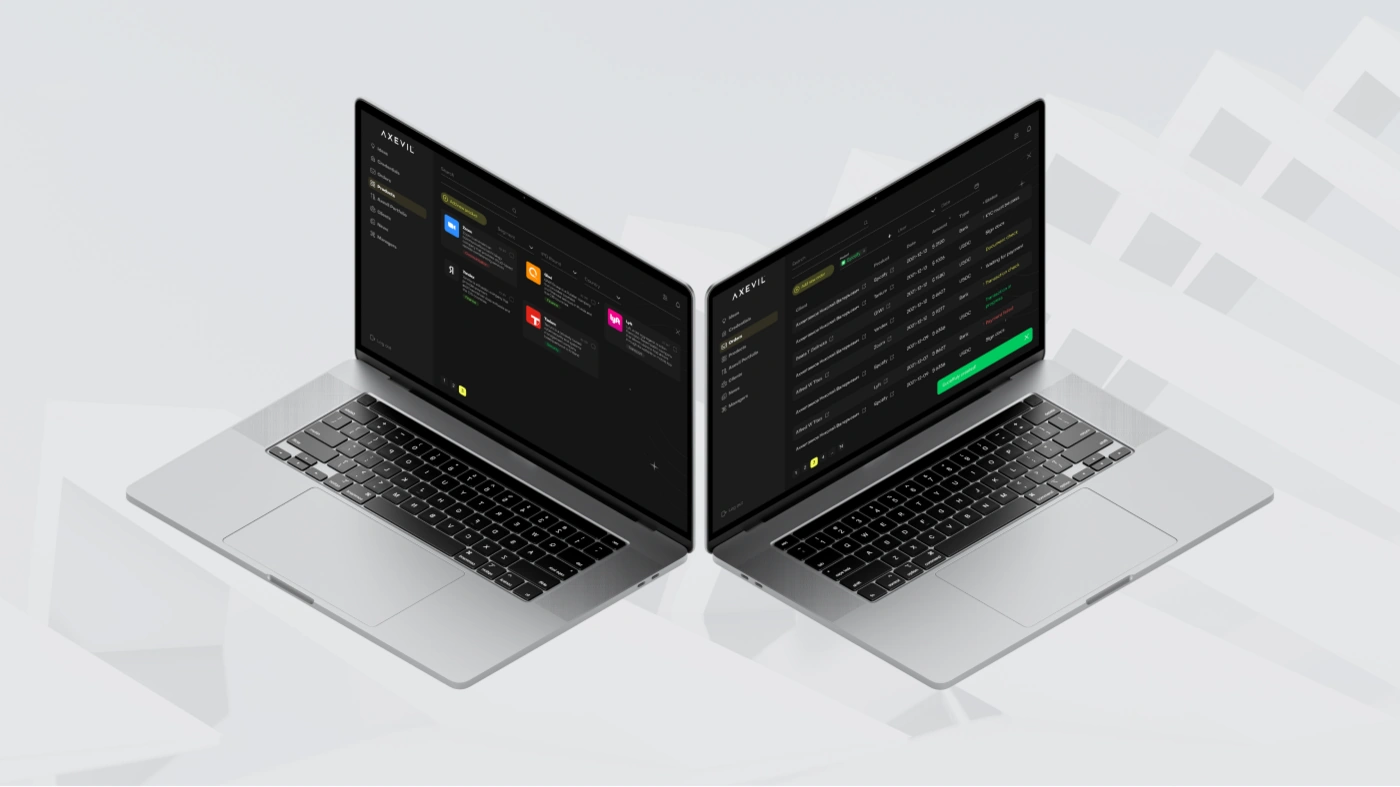
To run the processes inside the company and every part of the app, I designed the UX and UI of an in-house CRM: leads and clients, portfolios, assets and content in one system that covers the whole business. I coordinated its development as well.
The content management platform lets staff change the app straight from the CRM, through a builder for content and components. Document generation and e-signature services are wired into the project too.
The best balance of risk and return
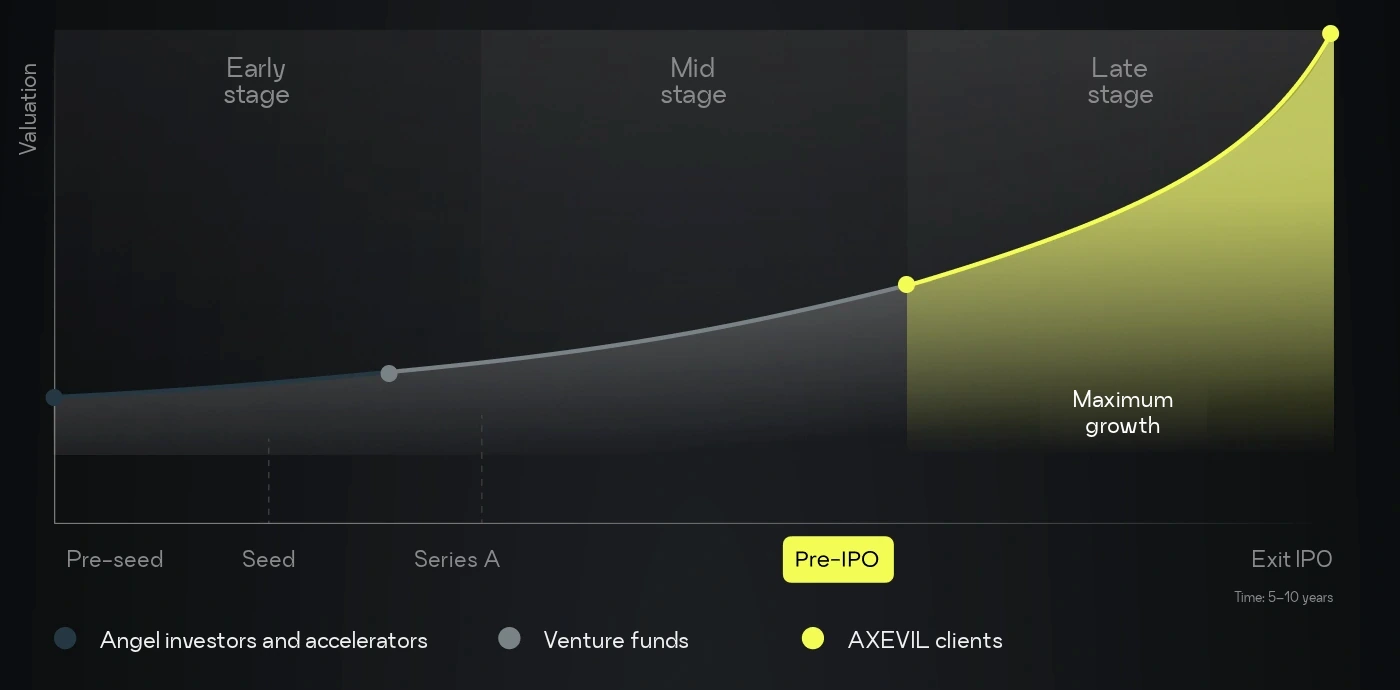
The main exhibits in this case are the data charts. The valuation curve explains why entering at a late stage sits in the zone of the biggest growth, with risk the fund can still manage.
Examples of companies that went through venture funding

Coursera, the largest online education platform
Funding rounds, $B
- 01
In February 2020 Coursera shares could be bought at $12 on the secondary market.
- 02
In July 2020 the company raised a $130 million round at $17 a share.
- 03
In March 2021 Coursera went public at $33.
- 04
After the IPO the shares went up to $58; at the time this case was put together, $45.
- 05
Share price growth over one year, 275%.
The UX of the process
An investor gets to a stake in four steps. Each one closes inside the app. Nobody prints anything and nobody comes to an office.
-
Pick a company
The investor picks a company from the current investment opportunities.
-
Fill in the form
They give the data for the KYC check (Know Your Customer).
-
Sign the documents
They sign the papers for buying a stake in the company, electronically.
-
Pay for the purchase
They move funds from their own account to buy the company’s shares.
Type and styles
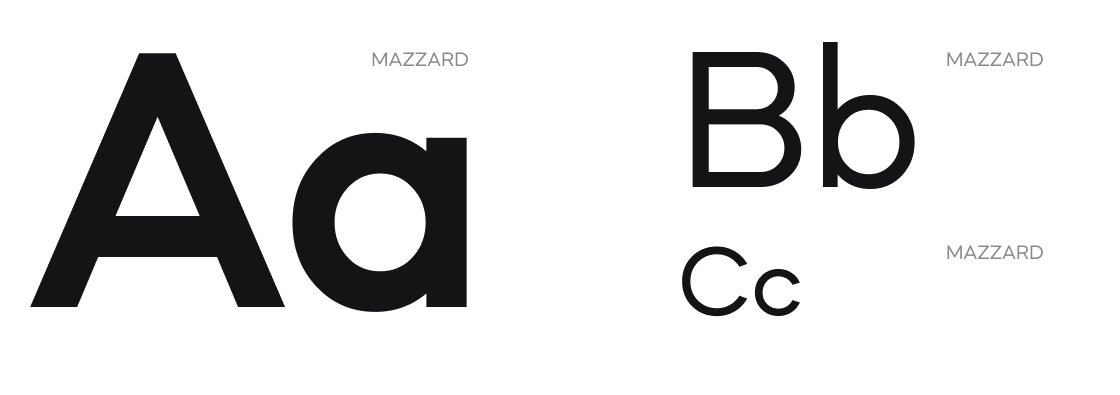
The Mazzard grotesque holds the headings and the dense portfolio figures alike. The one light room in this case reads like a specimen sheet.
Outcome
The MVP beta started in February. The app and the internal management systems were released in May: three months from first beta to production. The company’s own staff work in the CRM every day.
The case is published without internal metrics. Only the client can say what the app did to the fund’s numbers. I can talk through the design details in a call.
Pre-seed Seed Series A Pre-IPO IPO Post-IPO Exit